




NCIS Season 24: Ziva’s SECRET Move Put Tony in the Director’s Chair… But Who REALLY Made the Decision?

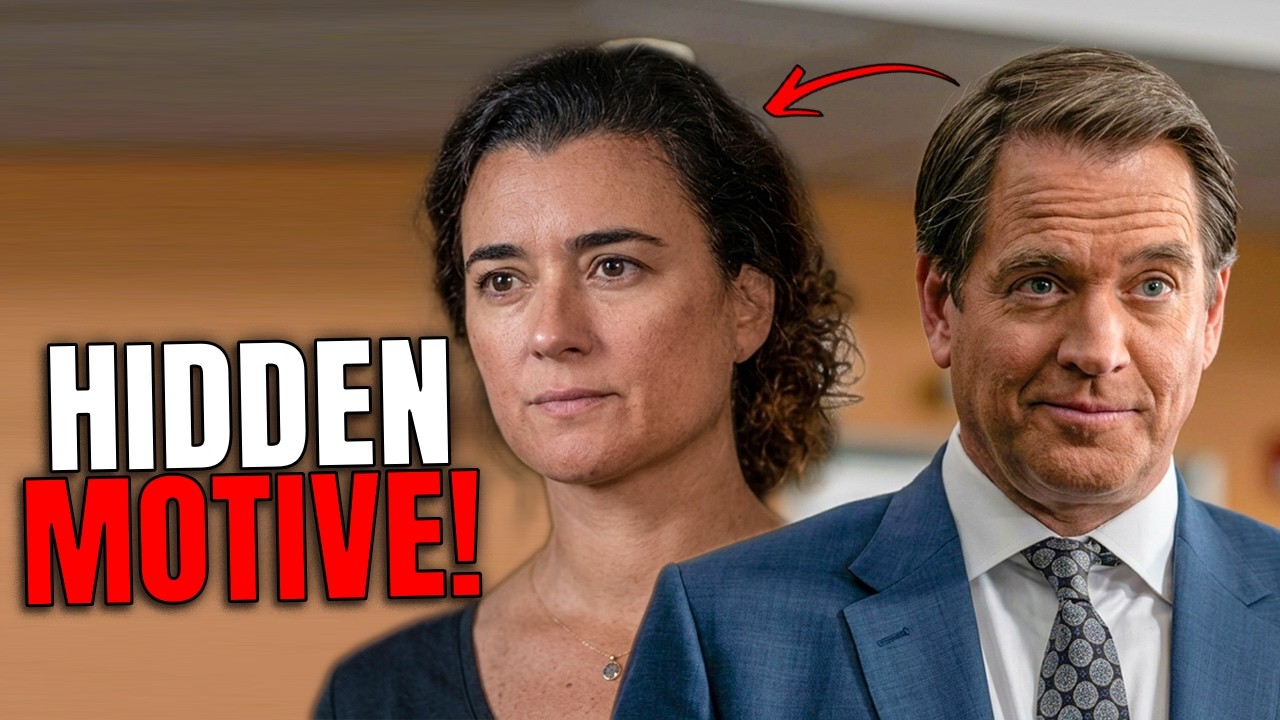
Tony DiNozzo didn’t just return to NCIS—he walked straight into the most powerful office in the agency. In the Season 24 premiere “Wayward Son,” which aired October 6, 2026, Michael Weatherly’s longtime fan-favorite character went from opening a D.C. satellite office for his private security firm Salus Mondiale to being named the new Director of NCIS. The move came after Leon Vance’s death earlier in Season 23 left the agency without a permanent leader, and after Gabriel LaRoche’s brief tenure ended abruptly.
The real shock, however, may be what happened before Tony’s promotion. How did Ziva David, thousands of miles away from NCIS headquarters and based near their daughter Tali’s Boston-area boarding school, end up influencing a decision that involved the Secretary of the Navy herself? Tony had already turned down the director’s job once. LaRoche was suddenly out. Within a single crisis, everything changed.
The Crisis That Changed Everything
The premiere picked up the fallout from Season 23’s cliffhanger involving McGee’s son Mateo. Tony, in town after receiving chatter from a contact linked to his firm, inserted himself into the situation and was grazed by a bullet. LaRoche, newly installed as director and portrayed by Seamus Dever, clashed immediately with the Major Case Response Team. He forbade Parker, McGee, Torres, and others from investigating due to personal ties and even fired Parker.
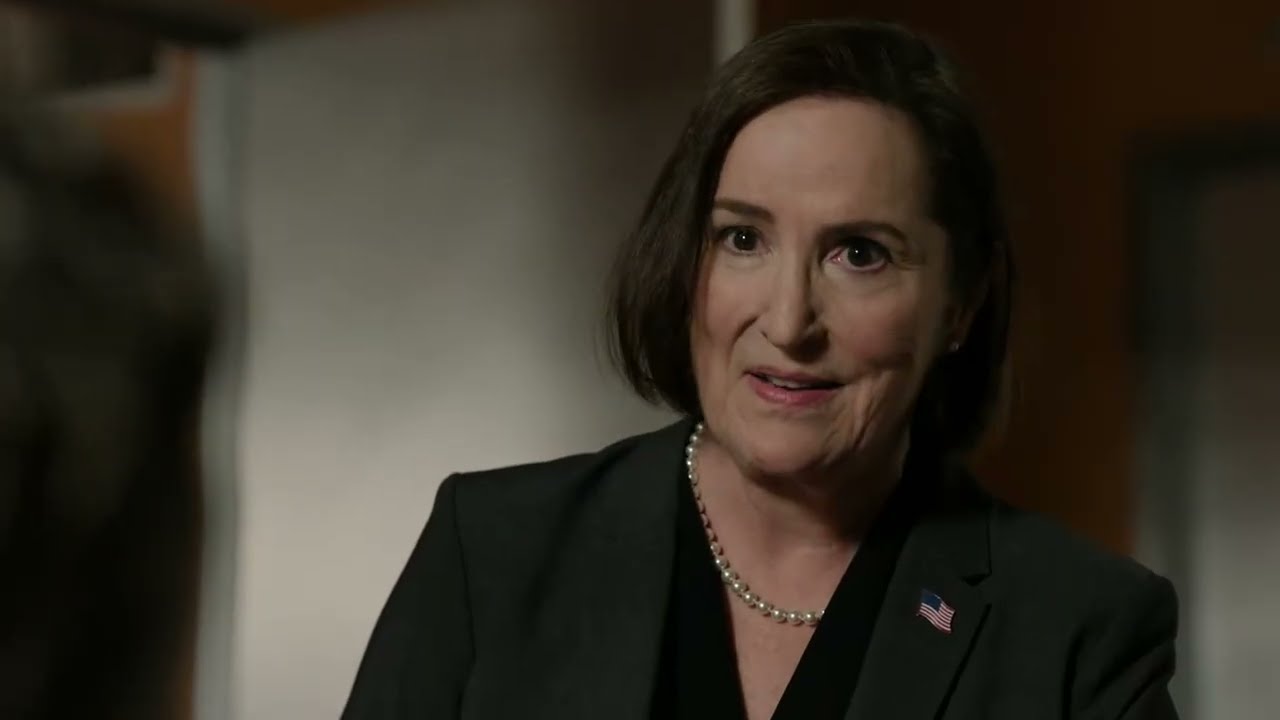
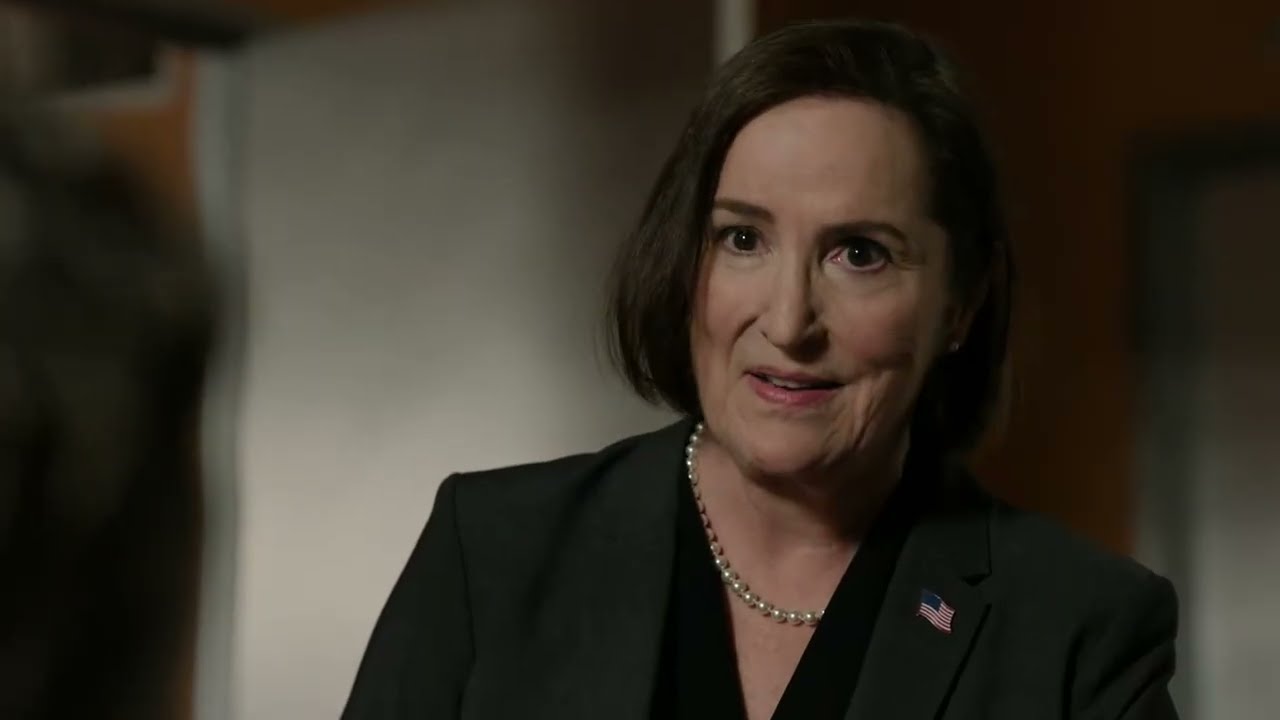
The team worked the case off the books with Tony’s help. It escalated into a kidnapping of the Secretary of the Navy’s daughter, tied to earlier events involving Mateo. Tony and the agents brought her home safely, cleared Mateo’s name, and restored Parker’s position. When Tony returned to his temporary office space, the Secretary—played by Jillian Armenante—was waiting.
She told him directly that she had put the wrong person in the director’s chair and should not have let her first choice say no. The case had made it clear: LaRoche was not the right man. Tony was. He protested that the timing was wrong, but she replied that his country needed him. Critically, she revealed she had already spoken to Ziva, who had pushed him to take the job the first time it was offered. A press release announcing Tony as the new director had already gone out.
Showrunner Steven D. Binder has confirmed the sequence in interviews with outlets including TheWrap, TVLine, and TV Insider. Binder noted that when the Secretary of the Navy says the country needs you—and your family has signed off—someone like Tony signs on. Tony’s role is a season-long arc, not a permanent full-time return, and he will approach the job in an unconventional “DiNozzo way” while remaining effective.
Ziva’s Influence From Afar

Ziva is not appearing onscreen this season. CBS and Binder have confirmed Cote de Pablo’s character is in the Boston area, working at a language institute while keeping an eye on Tali, who is at boarding school. Tony is in D.C. “helicopter parenting” from a distance while setting up his firm’s office. Their co-parenting continues after the events of the Paramount+ spinoff *NCIS: Tony & Ziva*, without retconning those developments.
The most revealing detail is not simply that Ziva supported her former partner. It is *who* had already spoken to her and what that conversation appears to have changed. The Secretary consulted Ziva before the final push and knew Ziva had endorsed Tony previously. This undercuts any pure “coincidence” narrative. Tony’s prior refusal was known. LaRoche’s appointment filled the vacuum after Vance. Yet once LaRoche’s handling of a high-stakes personal case involving the Secretary’s own family proved inadequate, the first-choice candidate—with family approval already secured—was locked in almost immediately.
Fans are left asking whether Ziva quietly set something in motion long before Tony realized what was happening. Did she lobby or simply answer a call? The show does not depict the conversation onscreen, but the Secretary’s remarks treat Ziva’s support as established fact, not a last-minute check. With Vance gone and the agency desperate for stable leadership after LaRoche’s rocky start, Ziva’s input carried weight precisely because she knows Tony’s strengths and limitations better than almost anyone in Washington.
Coincidence, Calculation, or Something Else?
There is another possibility the premiere and subsequent interviews leave open: maybe Ziva did not engineer Tony’s rise at all. Maybe she simply knew something about him that the people in Washington were only beginning to understand. The case demonstrated that the right director must listen, challenge assumptions, and prioritize results over rigid protocol—qualities Tony displayed while operating outside official channels. LaRoche, by contrast, prioritized control and was removed after one crisis.
The overlooked clue is the readiness of the press release. The Secretary did not float the idea and wait for Tony’s answer; she arrived with the decision effectively made and the paperwork already public. Combined with the prior consultation with Ziva, this suggests the groundwork existed before the Mateo-related kidnapping fully unfolded. Tony’s presence in D.C. to be near Tali created the practical opportunity. The crisis created the justification. Ziva’s earlier endorsement removed the family objection he had cited before.
Binder has compared the dynamic to a high-school kid who pulled the fire alarm returning years later as principal. Tony is more mature and paternal than the agent who left after Season 13, shaped by fatherhood and the events of the spinoff. That evolution is what the Secretary—and apparently Ziva—recognized. Whether Ziva actively advocated or merely confirmed what she already believed, her voice helped close the loop.
LaRoche’s abrupt replacement is framed as a recognition of a mistake rather than a conspiracy. Binder has indicated the character’s arc is not necessarily over forever, but for now the power play ends with Tony in the chair. The second episode, “Clean Slate,” is positioned as Tony’s first day, with the team adjusting to new rules and dynamics.
What Fans Should Watch For
Tony’s directorship will reshape team relationships, particularly with Parker and Knight, according to the showrunner. His presence is intermittent rather than constant, allowing the procedural format to continue while integrating a familiar face in a new capacity. Ziva’s offscreen influence remains a narrative thread even without cameos; Binder has said her presence will be felt.
The Secretary’s remarks, LaRoche’s short tenure, and the pre-existing Ziva endorsement form the core of the twist. Whether this counts as Ziva pulling strings or as Washington finally seeing what she had long understood is the question the premiere deliberately leaves hanging. Tony walked into the director’s office after one crisis. The decision that put him there was already shaped by a conversation that took place before he fully understood the stakes—and by someone who knows him better than the agency itself.
As Season 24 continues, the real test will be whether Tony’s unconventional approach justifies the faith both the Secretary and Ziva placed in him. For now, the most powerful move of the premiere may not have been the promotion itself, but the quiet endorsement from Boston that made it possible.